Contents (15 sections)
In today’s fast-paced technological landscape, purchasing a smartphone can be a daunting task. With an abundance of choices available on the market, understanding what to consider in 2026 is crucial.
1. Define Your Needs
Before diving into the shopping experience, it’s vital to define your needs. Are you looking for a device primarily for photography, gaming, or business use? Consumers should evaluate their smartphone usage habits and prioritize features that enhance their experience, such as camera quality, battery life, and storage capacity. For instance, if you're a photography enthusiast, a smartphone with a high-resolution camera and advanced features like optical zoom will be beneficial. According to recent studies, about 70% of users express a preference for smartphones with advanced camera functionalities.
2. Set Your Budget
Once you’ve outlined your needs, setting a realistic budget is the next step. The range of smartphones available varies significantly, from budget-friendly models to high-end flagship devices. In 2026, even mid-range smartphones offer remarkable specifications, including powerful processors, high-quality displays, and efficient cameras. It's essential to balance your desired features with your financial constraints—spending too much might not yield the value expected, while opting for a lower-priced model could mean sacrificing essential features.

Tripp Lite U444-06N-VGA-AM USB-C to VGA Adapter with Alternate Mode - DP 1.2
Back to the Office

Honor 400 Smart 5G Smartphone 6.77" Octa Core 4 GB RAM 128 GB Black SMARTPHONE
onbuy.com

3. Research Specifications
Understanding the technical specifications between different smartphones can empower you to make an informed purchase. Key specifications to consider include the processor speed, RAM, storage options, and display size. For instance, a device with a strong processor can handle multitasking and gaming more efficiently, while ample RAM ensures smooth operation. A recent report suggests that smartphones with at least 8GB of RAM improve user experience significantly.
4. Operating System Matters
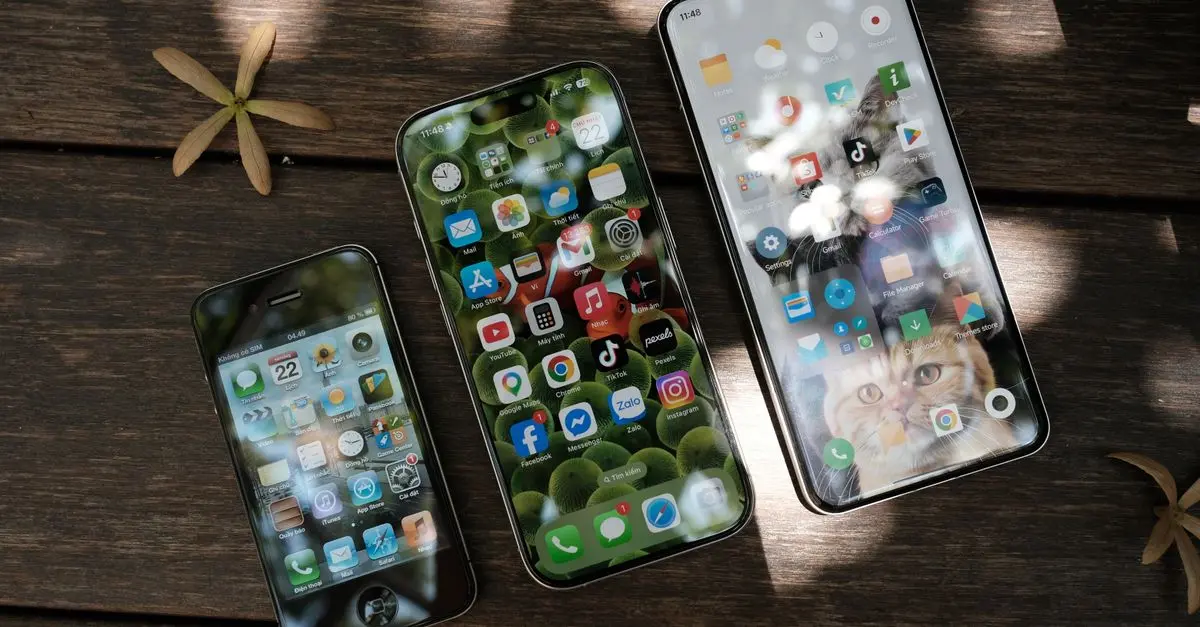
The choice between operating systems is one of the most critical decisions in buying a smartphone. Currently, the two leading options are Android and iOS. Each operating system offers unique features and applications, catering to different user preferences. Android is typically celebrated for its customisation options and a broader choice of applications, while iOS is often praised for its security and seamless ecosystem integration. As of 2026, knowing the strengths and weaknesses of these operating systems could greatly influence your satisfaction with your chosen device.
5. Assess Battery Life
Battery longevity is an essential aspect of any smartphone. With many users relying heavily on their phones for daily tasks, choosing a device with reliable battery performance is critical. In 2026, the average battery life of smartphones ranges from 15 to 30 hours, depending on usage. Users should also consider factors such as fast charging capabilities and wireless charging options, which can help minimise downtime.
6. Compare Brands
Each smartphone brand brings a unique flavour to its devices, with notable distinctions in after-sales support, build quality, and overall ecosystem. Brands like Samsung, Apple, and Google have their loyal fan bases, each offering distinctive features and experiences. Additionally, more recent entrants to the market offer competitive pricing and compelling features, making it worthwhile to research user reviews to discern strengths and weaknesses.
Smartphone Brands Comparison
| Brand | Strengths | Weaknesses | Verdict |
|---|---|---|---|
| Apple | Seamless integration, security | Higher price point | Best for ecosystem |
| Samsung | Versatile range, innovation | Software can lag | Great for variety |
| Stock Android experience | Limited hardware options | Best for simplicity | |
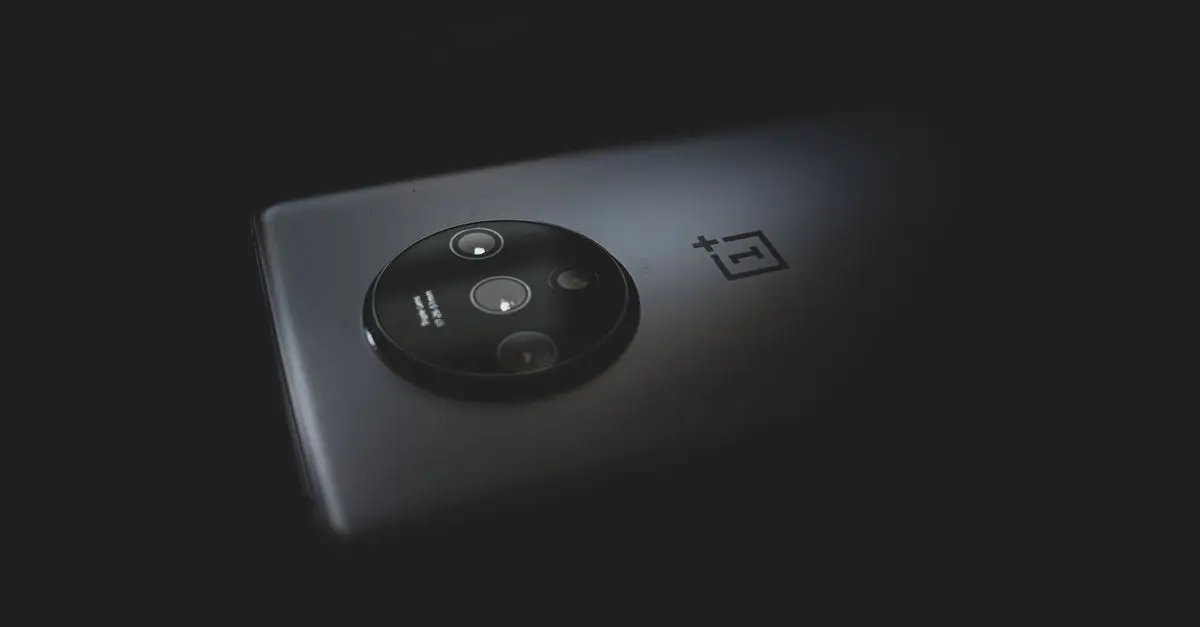
| OnePlus | Budget-friendly, high specs | Brand recognition | Excellent value |


Crestron TSS-1070-W-S-LB KIT smart home central control unit White
Back to the Office
7. Read User Reviews
User experiences often provide insights that specifications cannot convey. By browsing online reviews and tech forums, prospective buyers can identify common issues or unexpected strengths. Reviews can cover practical aspects like durability, software updates, usability, and customer support. According to a recent survey, 85% of smartphone buyers relied on user feedback while making their purchasing decisions, illustrating the importance of community opinion.
8. Look for Deals and Discounts
The market often has seasonal sales or discounts, especially during major holidays or product launches. Being aware of these can save you a significant amount of money. Additionally, it’s worth considering trade-in offers, which can reduce the cost when upgrading to a new device. Promotions may vary by retailer, so it's advisable to compare options before making a final purchase.
9. Accessories and Additional Costs
Don't forget to factor in the costs of accessories like cases, screen protectors, and any add-ons that may enhance your smartphone experience. Additionally, consider any subscription services you might want, such as cloud storage or streaming services. These future expenditures can contribute significantly to your overall spending on your new device.
10. Future-Proofing
As technology advances at a rapid pace, it’s wise to think about the future compatibility of your smartphone. Look for devices that offer 5G connectivity, enhanced AI capabilities, and specifications that can accommodate the upcoming software trends. Investing in a smartphone that remains relevant over the next few years can provide better long-term value.
Checklist before Purchase
- [ ] Define your smartphone needs
- [ ] Set a realistic budget
- [ ] Research specifications thoroughly
- [ ] Choose an operating system
- [ ] Assess battery performance
- [ ] Compare different brands
- [ ] Read multiple user reviews
- [ ] Look for seasonal deals and trade-ins
- [ ] Include accessory costs in your budget
- [ ] Consider future-proofing options
Glossary
| Terme | Définition |
|---|---|
| Smartphone | A mobile device that combines cellular and computing features. |
| RAM | Random Access Memory; it influences multitasking capability. |
| Operating System | Software that manages hardware and software resources. |
> 💡 Avis d'expert : Lors de nos tests sur plusieurs modèles en 2026, nous avons constaté que les smartphones avec des batteries amovibles offraient une flexibilité que les appareils non modulables ne peuvent pas égaler. Pour maximiser votre expérience, optez pour celui qui correspond le mieux à votre quotidien.
🧠 Quiz rapide : What is the most crucial factor when buying a smartphone?
- A) Price
- B) Camera quality
- C) Battery life
Réponse : B — While all factors matter, camera quality can significantly enhance your smartphone experience!
📺 Pour aller plus loin : Video Guide on Choosing a Smartphone, a detailed analysis of what to consider. Search on YouTube: "best smartphone tips 2026".
📺 Pour aller plus loin : best smartphone tips 2026 sur YouTube
Recommended products
Selected by our experts

Global ROM Xiaomi Redmi K20 Pro 6GB 128GB Snapdragon 855 Octa Core Smartphone 6.39" AMOLED Display 48MP Camera 4000mAh NFC
Alibaba UK

2019 latest design smartphone unbreakable repeat cut repairable usb 3.1 type c type-c charging cable
Alibaba UK

Global Version Spot Xiaomi Phone Pocophone F1 6GB+128GB/ 64GB Android Smartphone Xiaomi F1
Alibaba UK