Contents (12 sections)
In today's fast-paced world, mobile payment solutions are transforming the way consumers and businesses transact. With the increase in smartphone usage and technological advancements, mobile payments are quickly becoming the preferred method of payment. This article delves into the key trends in mobile payment solutions as we navigate through 2026, providing insights, examples, and statistical data to illustrate their significance.
📌 Table of Contents
- The Rise of Contactless Payments
- Integration of Biometric Security
- The Influence of Cryptocurrencies
- Globalisation of Mobile Wallets
- Increased Use of AI in Mobile Payments
- Consumers’ Shift Towards Seamless Experiences
- 🧠 Quick Quiz: Mobile Payment Insights
- Checklist Before Choosing a Mobile Payment Solution
The Rise of Contactless Payments
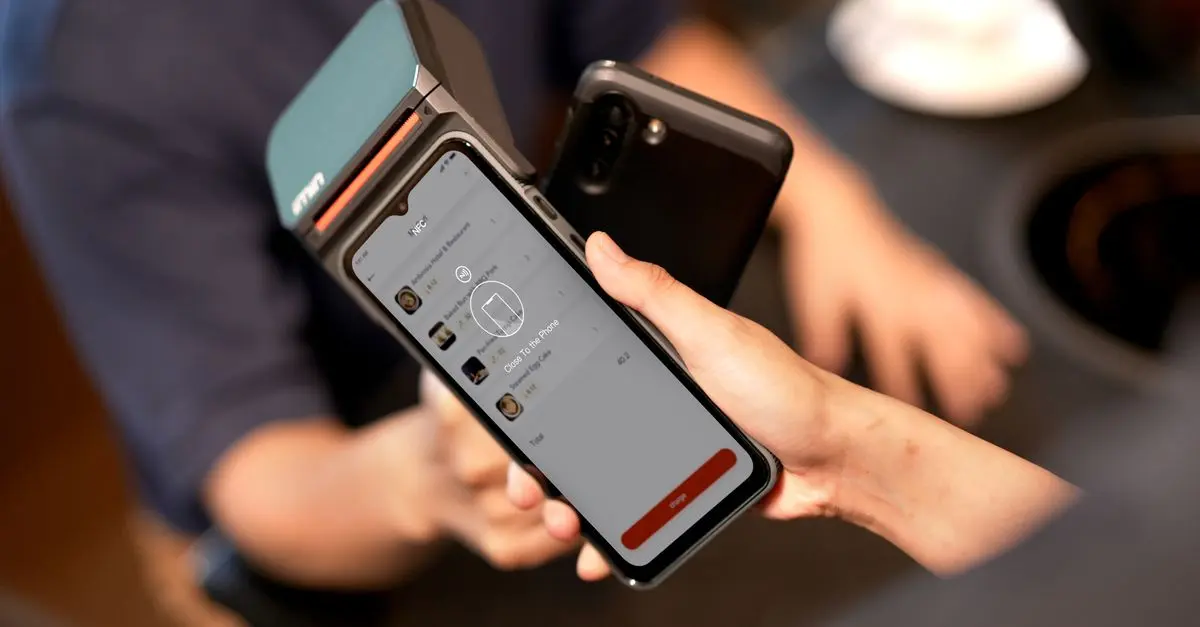
The trend of contactless payments has gained significant traction in recent years, largely accelerated by the COVID-19 pandemic. Consumers' preference for swift and hygienic payment methods has led to the widespread adoption of technologies such as Near Field Communication (NFC). According to a report by Statista, it is estimated that the value of contactless payment transactions in the UK will reach approximately £80 billion by the end of 2026.
Contactless payments gained popularity not only among retail stores but also in public transport systems, where cities like London have embraced the technology, making commuting hassle-free. Banks and financial institutions have also played a vital role by issuing contactless cards and ensuring their integration into mobile payment systems. As a result, contactless transactions will only increase in sophistication, leading to enhanced customer experience.
💡 Expert Insight: Industry leaders predict that by 2026, contactless payment methods will make up about 50% of all transactions.
Integration of Biometric Security
As the mobile payment landscape evolves, security continues to be a paramount concern for both consumers and businesses. The integration of biometric security features—such as fingerprint scanning and facial recognition—has become critical in ensuring secure transactions. According to the World Economic Forum, 67% of consumers believe biometric authentication methods provide greater security compared to traditional passwords.
In 2026, we are likely to see an increased implementation of these biometric technologies in mobile wallets. Companies like Apple and Samsung have already incorporated such features into their devices, leading the way for other brands to follow suit. This shift not only enhances security but also streamlines the payment process for users, allowing for quick access and transactions.
The Influence of Cryptocurrencies
The rise of cryptocurrencies poses both challenges and opportunities for mobile payment solutions. In recent years, digital currencies like Bitcoin and Ethereum have gained popularity, with a growing number of consumers opting to make purchases using these cryptocurrencies. As of 2026, estimates suggest that 30% of consumers will prefer transactions in cryptocurrencies, according to research by PwC.
Engagement in mobile payment solutions supporting cryptocurrency transactions can lead to significant market advantages. Retailers and online platforms accepting cryptocurrencies will likely experience increased sales volume, especially among younger consumers who are more tech-savvy. Moreover, as regulatory frameworks around cryptocurrencies mature, clearer guidelines will enhance their trustworthiness, further driving adoption.
Globalisation of Mobile Wallets
The globalisation of mobile wallets is another trend reshaping the mobile payment landscape. Companies like PayPal, WeChat Pay, and Alipay are expanding their services beyond their home markets, allowing users to conduct cross-border transactions seamlessly. By 2026, it is anticipated that mobile wallet transactions will become increasingly common internationally, fostered by increasing travel and the global nature of commerce.
The convenience of mobile wallets can enhance customers' abilities to engage with foreign markets without the need for currency conversion or high transaction fees. This global approach will help to democratise access to financial services, providing underserved populations with the tools they need to transact digitally and boost their economic participation.
Increased Use of AI in Mobile Payments
Artificial Intelligence (AI) is playing a pivotal role in optimising mobile payment solutions. By 2026, we can expect to see innovative uses of AI, from fraud detection systems to tailored payment experiences. According to McKinsey, the integration of AI into mobile payment systems can reduce fraud rates by up to 40%.
AI-driven analytics allow companies to assess user behaviour, predict purchasing patterns, and offer personalised recommendations. For instance, mobile applications might suggest relevant discounts or promotions based on previous transactions, thereby increasing user satisfaction and loyalty. The use of AI not only streamlines operations but also enhances security measures, critical for financial transactions.
Consumers’ Shift Towards Seamless Experiences
Consumers today prioritize seamless experiences in their purchasing interactions. Mobile payment solutions are responding to this critical shift, aiming to make transactions faster, easier, and more integrated into daily routines. The trend towards a frictionless payment process means that consumers increasingly expect their mobile payment apps to offer extensive features, including invoice management and loyalty programs.
By 2026, a focus on the user interface (UI) and user experience (UX) will shape the design and functionality of mobile payment solutions, making the onboarding process as straightforward as possible. Enhanced customer support, real-time notifications, and integration with other applications (like banking apps) will become standard features. This consumer-centric approach will help businesses retain customers and create brand loyalty.
📺 Resource Video
> 📺 For further understanding: Discover how mobile payments are evolving rapidly, a comprehensive analysis of mobile payment trends in 2026. Search on YouTube: "2026 mobile payment solutions trends".
🧠 Quick Quiz: Mobile Payment Insights
> What percentage of transactions is expected to be contactless by 2026?
> - A) 20%
> - B) 30%
> - C) 50%
> Answer: C — The prediction indicates that contactless payments will make up about 50% of transactions by 2026.
Checklist Before Choosing a Mobile Payment Solution
- [ ] Assess whether the payment solution accepts multiple currencies.
- [ ] Check for biometric security features.
- [ ] Ensure it offers AI-driven support and fraud protection.
- [ ] Verify the mobile wallet's global compatibility.
- [ ] Investigate user experience and interface.
Glossaire
| Terme | Définition |
|---|---|
| NFC (Near Field Communication) | Technologie sans fil permettant des transactions de proximité entre appareils mobiles. |
| Cryptomonnaie | Monnaie numérique utilisant la cryptographie pour sécuriser les transactions et contrôler la création de nouvelles unités. |
| Biométrie | Méthode d'identification basée sur des caractéristiques physiques ou comportementales d'un individu, comme les empreintes digitales. |