Contents (11 sections)
Selecting the best phone for your needs in today’s rapidly evolving technology landscape can be quite the challenge. With countless options available, for every price point and specification, it’s essential to evaluate what truly matters to you. In this guide, we will explore the key factors to consider, making the process easier.
1. Determine Your Primary Usage
Before diving into the specifics, it's vital to consider how you intend to use your phone. Is it primarily for social media, gaming, photography, or business purposes? Understanding your primary usage will help narrow down your options. For instance, if you tend to take a lot of pictures, you may want to focus on phones known for good camera quality, such as those from Apple or Samsung. Conversely, if you need a phone for heavy gaming, look for models with powerful processors and GPUs.
Tip: Create a list of your most used applications and features. This is a great way to identify what specifications you need.
2. Operating System Preferences
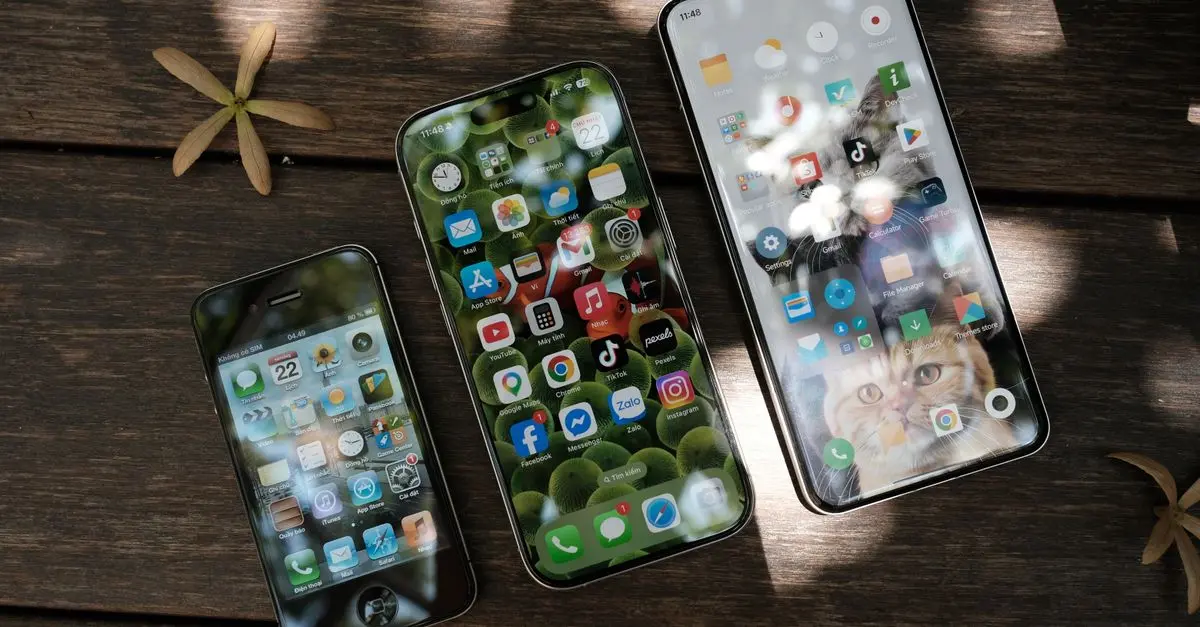
Choosing between Android and iOS is a significant factor in selecting the best phone. Both operating systems have their unique features and user experiences. iOS is often praised for its smooth performance and user-friendly interface, but it's generally priced higher. Android, on the other hand, offers a broader range of devices that suit various budgets, featuring manufacturers like Google, OnePlus, and Xiaomi.
Consider also how accustomed you are to a particular operating system. Switching can involve a learning curve. If you're already using other devices within an ecosystem, maintaining consistency might enhance your overall experience.
3. Specifications That Matter
When selecting a phone, specifications play a crucial role. Here are some critical components to consider:
- Processor: Look for the latest models, as they tend to offer better performance.
- RAM: More RAM allows for better multitasking. Phones with 6GB or more are ideal for power users.
- Battery Life: Consider your daily usage. Phones with over 4000mAh offer extended battery life, which can be a lifesaver if you're often on the go.
Example: According to statistics, phones with higher battery capacities can last 50% longer than those with lesser capacities under similar usage conditions.
4. Budget Constraints
Your budget plays a pivotal role in determining which phone you can purchase. Establish a price range before you start your search. Here is a rough guideline for various pricing tiers:
- Budget Phones: £100 - £300 — Generally feature lower specifications but are suitable for casual users.
- Mid-range Phones: £300 - £600 — Offer a balance of performance and features, suitable for the majority of users.
- Flagship Phones: £600 and above — High-performing devices with cutting-edge technology and superior build quality.
Warning: Avoid being lured into purchasing the latest model simply due to hype; often, last year's flagship can offer similar performance at a reduced rate.
5. Reviews and Comparisons
Always consult reviews before making a final decision. Sites like Les Numériques and UFC-Que Choisir provide detailed insights and comparisons. User reviews are equally valuable; they give real-world perspectives on performance and reliability.
Consider utilising comparison sites that allow you to check specifications side by side. Look for review videos on YouTube that visually demonstrate the phone's capabilities.
6. Consider Longevity and Updates
Finally, it’s crucial to consider how long the phone will receive software updates. Phones that offer a longer update cycle tend to be a better investment. For instance, Apple typically supports their devices for five years or longer, while many Android manufacturers have started following this trend, but it varies widely between brands.
Choosing a phone that promises longevity in terms of updates can save you from having to upgrade as frequently, enhancing overall value.
7. The Importance of Warranties and Insurance
Don’t overlook after-sales service. A good warranty can provide peace of mind, especially for new devices. Additionally, consider whether you want to protect your investment with insurance. Smartphones are expensive, and accidents can happen.
It's worthwhile to read the terms and conditions associated with warranties and insurance policies to fully understand what is covered and what isn't.
📺 For Further Insights
Watch this detailed video on choosing the best smartphone for you. Search on YouTube for: how to select the best phone 2026.
Checklist before Purchase
- [ ] Assess your primary usage
- [ ] Determine your preferred operating system
- [ ] Compare specifications that matter to you
- [ ] Establish a realistic budget
- [ ] Review and compare user experiences
- [ ] Consider longevity in software updates
- [ ] Look into warranties and insurance options
Glossary
| Terme | Définition |
|---|---|
| RAM | Mémoire utilisée pour stocker temporairement des données pendant que le téléphone est en marche. |
| Operating System | Le logiciel qui gère les ressources matérielles et permet aux applications de fonctionner. |
| Processor | Composant clé qui exécute les instructions des applications et systèmes du téléphone. |
> 🧠 Quiz rapide : What is the most crucial factor for selecting a smartphone?
> - A) Brand loyalty
> - B) Specifications
> - C) Price
> Réponse : B — Specifications directly impact performance and usability.
Final Thoughts: Investing time in choosing the right phone can significantly enhance your tech experience. Don’t rush your decision. Happy shopping!