Contents (18 sections)
Choosing a smartphone is no longer just about picking a model with a nice design or a pleasing colour. With the rapid evolution of technology, finding the best smartphone features for your unique needs has turned into a serious consideration. This guide will walk you through essential criteria that can help simplify your decision-making process.
Understanding Your Requirements
Before diving into the myriad of options available, it's crucial to understand your individual requirements. The right smartphone features depend heavily on how you plan to use the device. Are you a professional needing robust productivity tools, or perhaps a photography enthusiast wanting an exceptional camera experience? Here are a few questions to consider:
- Usage: How often will you use your smartphone for work or leisure? For instance, someone who primarily texts and makes calls won’t need the same features as a gamer or video streamer.
- Durability: Do you lead an active lifestyle? If that’s the case, you might want a phone with a durable build and improved water and dust resistance.
- Battery life: Consider how often you're near a charging point. If you often forget your charger or find yourself travelling, aim for models known for their long-lasting battery.
Pro Tip
Conduct a survey among your friends or colleagues about their smartphone experiences. This might reveal insights into specific features that you hadn’t considered before.
Evaluating Key Smartphone Features
Now that you have identified your needs, let's look at some crucial smartphone features that should influence your purchasing decision:
1. Camera Quality
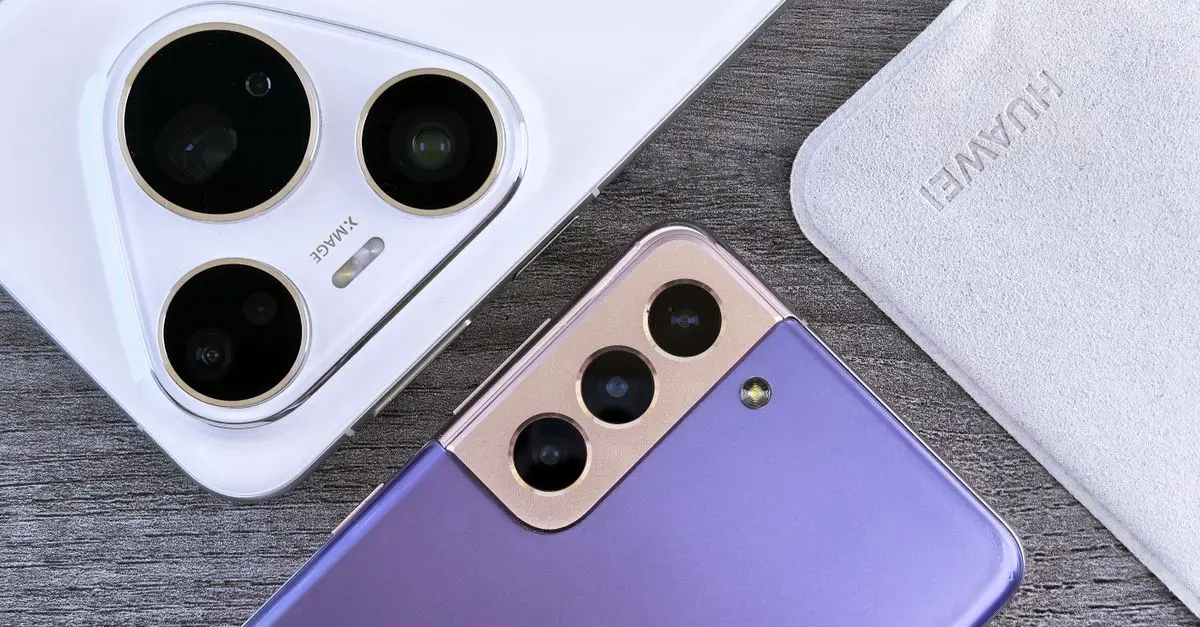
The camera has become one of the main reasons why many people choose their smartphones. Look for those with multiple camera setups, such as ultra-wide lenses, macro lenses, or excellent night mode functionality. Brands like Apple, Samsung, and Google are often noted for their impressive camera applications, offering features such as image stabilisation and computational photography.
2. Processor and Performance
For heavy users, the processor is key. The best smartphones equipped with high-performance chips like the Apple A15 Bionic or Snapdragon 8 series ensure those demanding apps run smoothly.
3. Display Technology
The display matters for gaming, streaming, and everyday use. Look into the differences between OLED and LCD screens. OLED displays, often found in higher-end models, provide richer colours and better contrast, while LCDs may suffice for casual use.
4. Operating System
Consider whether you prefer iOS or Android. Each has its strengths and weaknesses, and the choice can significantly affect your software experience and compatibility with other devices.
Comparative Analysis of Feature Sets
To make an informed choice, let's compare a few smartphone models based on significant features:
| Feature | Model A | Model B | Model C |
|---|---|---|---|
| Camera Quality | Triple Camera (108 MP) | Dual Camera (48 MP) | Single Camera (12 MP) |
| Battery Life | 5000 mAh, 24 hours usage | 4000 mAh, 18 hours usage | 3000 mAh, 12 hours usage |
| Storage Options | 128/256 GB | 64/128 GB | 32/64 GB |
| Price | £799 | £599 | £399 |
| Verdict | Great for photography | Balanced for general use | Budget-friendly, basic features |
Current Trends and Statistics
According to a recent study by Gartner in 2026, smartphone sales are projected to grow due to increasing demand for features such as foldable displays and 5G capabilities. The smartphones sold will largely feature AI-enhanced functionalities, leading to improved user experiences. Additionally, the market trend indicates that over 50% of consumers consider camera quality as the top priority. This reflects the growing shift towards smartphones not just being communication devices but multi-purpose gadgets.
💡 Expert Opinion: As technology continuously advances, select a model expected to receive updates for a longer duration. For instance, both Apple and Samsung offer several years of software updates, enhancing longevity and security.
Frequently Asked Questions
Q1: What are the most important features to consider in a smartphone?
A: Consider camera quality, processing power, battery life, and operating system compatibility.
Q2: Can I find a good smartphone under £500?
A: Yes, several brands provide excellent features at budget-friendly prices without compromising performance.
Q3: How often should I upgrade my smartphone?
A: Generally, upgrading every 2-3 years is a sensible approach to maintain functionality and security.
Q4: Are more expensive smartphones worth it?
A: They usually offer better features, performance, and customer support, but weigh it against your usage needs.
Checklist Before Purchase
Before making your final decision, ensure you tick off the following:
- [ ] Identify your primary smartphone usage (gaming, photography, etc.)
- [ ] Compare key features across different brands
- [ ] Check for software update duration and support
- [ ] Read user reviews for real-world experiences
- [ ] Verify battery life claims against actual usage scenarios
📺 For further insights: [Smartphone Feature Comparison 2026], a deep dive into the most sought-after smartphone features. Search on YouTube: best smartphone features 2026.
Glossary
| Term | Definition |
|---|---|
| Processor | The component that executes instructions to run applications. |
| Camera Megapixels | A measurement of camera resolution, affecting image detail. |
| Operating System | Software that manages hardware and software resources of a device. |
📺 Pour aller plus loin : best smartphone features 2026 sur YouTube