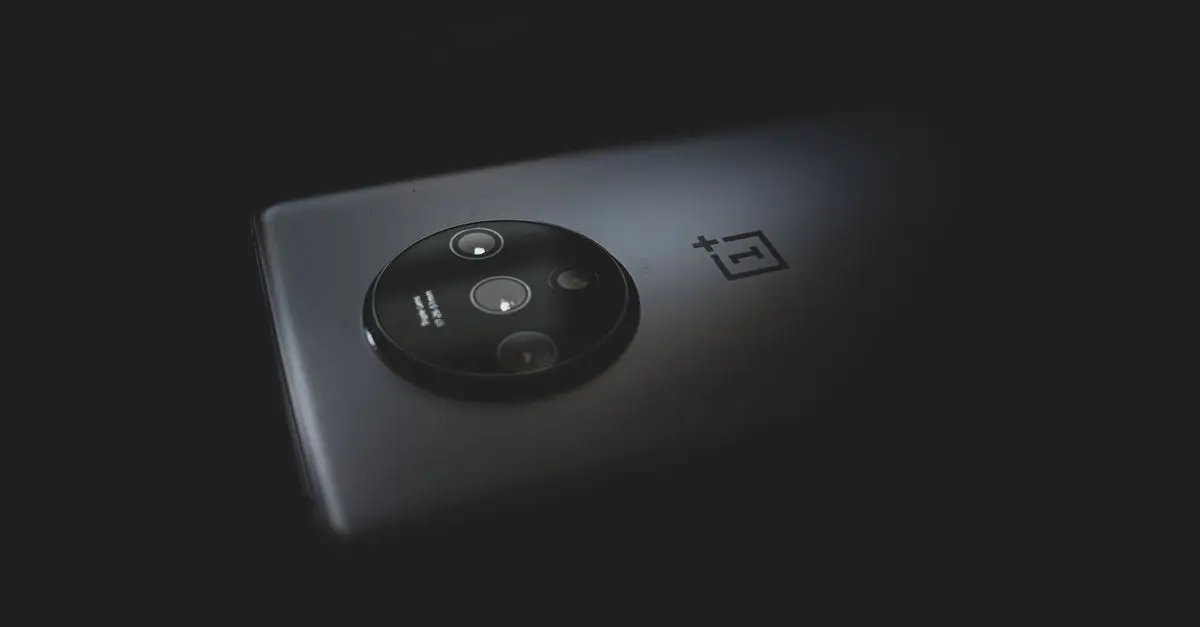
Contents (8 sections)
Choosing a mobile phone that aligns with your lifestyle is crucial, as it impacts not only your productivity but also your overall daily experiences. In today's world, a smartphone is essentially an extension of oneself, serving various functions from communication and entertainment to management of daily tasks. This guide breaks down the essential steps to help you navigate through the myriad of options available in 2026.
1. Assess Your Needs
Before diving into the world of mobile phones, start by evaluating your needs. Consider how you use your current device or what you wish you could do with a new one. Are you primarily using your phone for communication, social media, photography, gaming, or work? If you're into photography, look for a phone with advanced camera features. For gamers, a device with a powerful processor and a high refresh rate display might be crucial.
It's also worth considering your usage habits. For instance, if you frequently find yourself running out of battery, a phone with a larger battery capacity or excellent power management features could be ideal. Installing productivity apps can also help to gauge what features are missing in your current device that could enhance your daily routines.
2. Determine Your Budget
Setting a budget is a crucial step in the mobile phone selection process. 2026 has brought a wide price range, from budget-friendly options to premium flagship devices. By establishing a budget, you not only narrow down your choices but also avoid overspending, which can lead to buyer's remorse later on.
Keep in mind that a higher price tag doesn't always guarantee better performance or features. Research the specifications you need and compare them to similar models in different price ranges. Utilise online reviews and comparisons to ensure you are getting the best value for your money. Checking out deals, promotions or trade-in options can also help stretch your budget further.
3. Research Brands and Models
Not all smartphones are created equal, and various brands specialise in specific features. For example, brands like Apple, Samsung, and Google tend to have strong reputations for camera quality and user experience. On the other hand, certain brands focus on budget-friendly devices that still offer commendable performance.
Create a shortlist of brands and models that align with your needs and budget. Use comparison websites to examine features, performance ratings, and customer reviews. Look for expert opinions from credible tech sources such as Les Numériques or UFC-Que Choisir to guide your understanding of performance, durability, and customer satisfaction for each model.
4. Consider Connectivity and Compatibility
In a world that thrives on connectivity, choosing a phone with the right network compatibility and features is vital. Ensure the phone you select is compatible with your existing network provider. Additionally, consider if you require features like 5G compatibility for faster internet speeds, especially if you're into streaming or online gaming.
Evaluate if the phone supports dual SIM functionality, which can be beneficial if you travel frequently or wish to separate work from personal calls. Checking connectivity options, such as Bluetooth, Wi-Fi standards, and NFC capabilities, can also enhance your user experience, especially in a smart home environment.
5. Check Battery Life and Charging Options
Battery life is an essential criterion that often influences user experience. Look for phones with robust battery capacities if you often rely on your device throughout the day without frequent charging. Consider models with fast charging or wireless charging capabilities, which can save time and add convenience.
Investigate user reviews about battery performance in real-world conditions. Some users report that battery life can differ significantly from manufacturer claims, influenced by factors like software updates and app usage. Therefore, knowing how the device performs for the average user is key.
6. Evaluate Software Experience
The operating system can significantly influence your smartphone experience. The competition mainly exists between iOS and Android, each offering distinct features and ecosystem advantages. Consider which interface you prefer and which operating system suits your technical proficiency.
If you're used to certain apps available on one platform, transitioning to another may hinder your experience. It's also vital to check how often the manufacturer provides updates for security and features. Phones with a strong commitment to maintaining software can offer longer-lasting usability.
Comparison Table
| Feature | Option A | Option B | Option C | Verdict |
|---|---|---|---|---|
| Camera Quality | 12 MP dual camera | 108 MP triple camera | 48 MP quad camera | Option B offers best features |
| Battery Life | 3500 mAh (12 hrs) | 5000 mAh (18 hrs) | 4000 mAh (16 hrs) | Option B leads in battery |
| Software Support | 3 years of updates | 5 years of updates | 4 years of updates | Option B is top here |
| Price | £699 | £999 | £799 | Option A is budget-wise |
> 💡 Expert Opinion:
📺 Pour aller plus loin : choosing smartphone 2026 sur YouTube
Recommended products
Selected by our experts

SanDisk Phone Drive USB flash drive 1 TB USB Type-C 3.2 Gen 1 (3.1 Gen 1) White
Back to the Office

Large Jewel Roll - Lifestyle Large Jewel Roll - Lifestyle - 2(h) x 17.5(w) x 8(d) cm - Black - Ls057ds/05
Case Luggage


SanDisk Phone Drive USB flash drive 256 GB USB Type-C 3.2 Gen 1 (3.1 Gen 1) White
Back to the Office

Large Jewel Roll - Lifestyle Large Jewel Roll - Lifestyle - 2(h) x 17.5(w) x 8(d) cm - Centenary Green - Ls057ds/05
Case Luggage