Contents (11 sections)
In the modern world of smartphones, the choice between iOS and Android is one of the most significant decisions consumers face. Each operating system has its unique features, strengths, and weaknesses that cater to different types of users. By dissecting critical aspects such as user experience, app availability, hardware compatibility, and customisation options, we aim to provide a thorough analysis to help you make an informed choice.
User Experience: A Tale of Two Interfaces
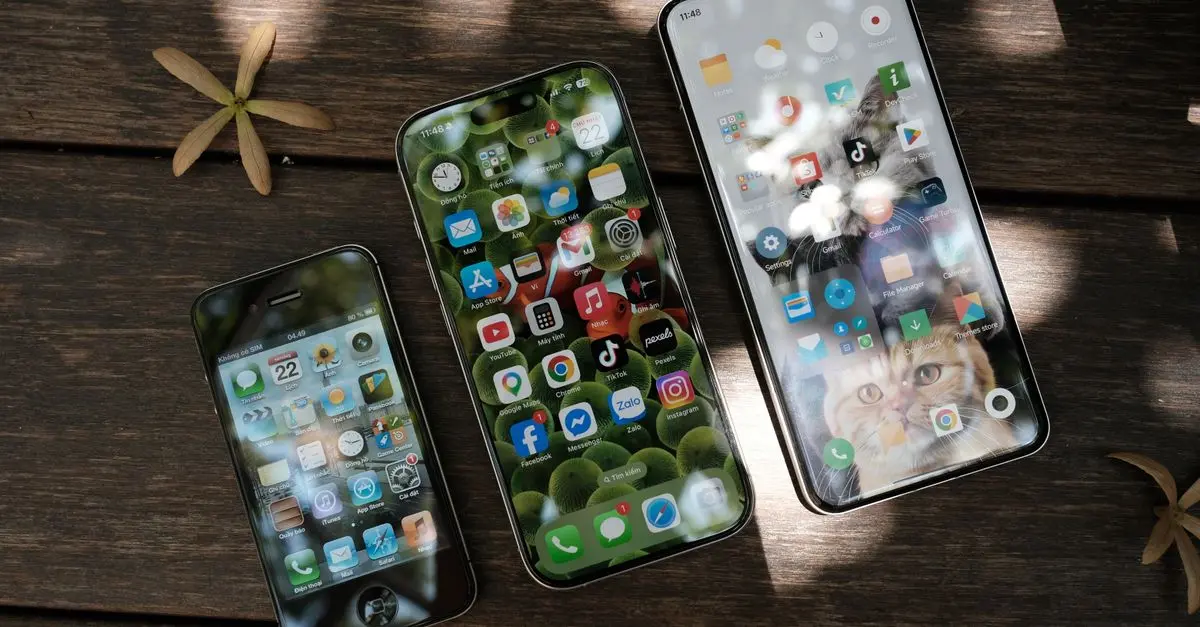
The user experience (UX) of both iOS and Android differs drastically, primarily due to their design philosophies. iOS, developed by Apple, is known for its intuitive user interface and seamless integration across devices. The design is clean and minimalistic, offering a consistent experience that many find appealing. Apple's focus on ease-of-use ensures that its devices appeal to both tech-savvy users and those new to smartphones.
Conversely, Android, created by Google, offers a more flexible user interface. Users enjoy personalising their home screens with widgets, custom launchers, and themes. While this customisation can create a more tailored experience, it can also lead to inconsistency across devices since different manufacturers implement Android differently. For example, Samsung has its own version of Android called One UI, while Google devices feature Stock Android, showcasing significant differences in appearance and functionality.
This distinction in user experience often comes down to personal preference. Those who value consistency and simplicity might favour iOS, while users who enjoy customising their devices might lean towards Android.
App Availability and Quality
When it comes to applications, both operating systems have extensive app stores. Apple’s App Store features a vast collection of apps, often receiving new applications and updates before their Android counterparts. Developers frequently target iOS first due to higher spending power among iPhone users, resulting in a perception of app quality on iOS being generally superior.
On the other hand, the Google Play Store offers a wider variety of free applications and more significant options for app customisation. Users can install apps from third-party sources, providing greater flexibility, although this can come at the cost of security. Moreover, the sheer scale of Android means app compatibility can vary greatly between devices, which can frustrate users who attempt to download apps designed for different manufacturers' setups.
In terms of overall app availability, while iOS may edge out in quality, Android shines in quantity and flexibility, especially for users willing to explore beyond the official marketplace.
Hardware Compatibility and Diversity
Another striking difference is the variety of devices available for each operating system. Apple produces a limited range of models — primarily the latest iPhone iterations — which often guarantees a consistent experience across devices. This streamlined hardware approach assures that each model receives the latest updates and features concurrently.
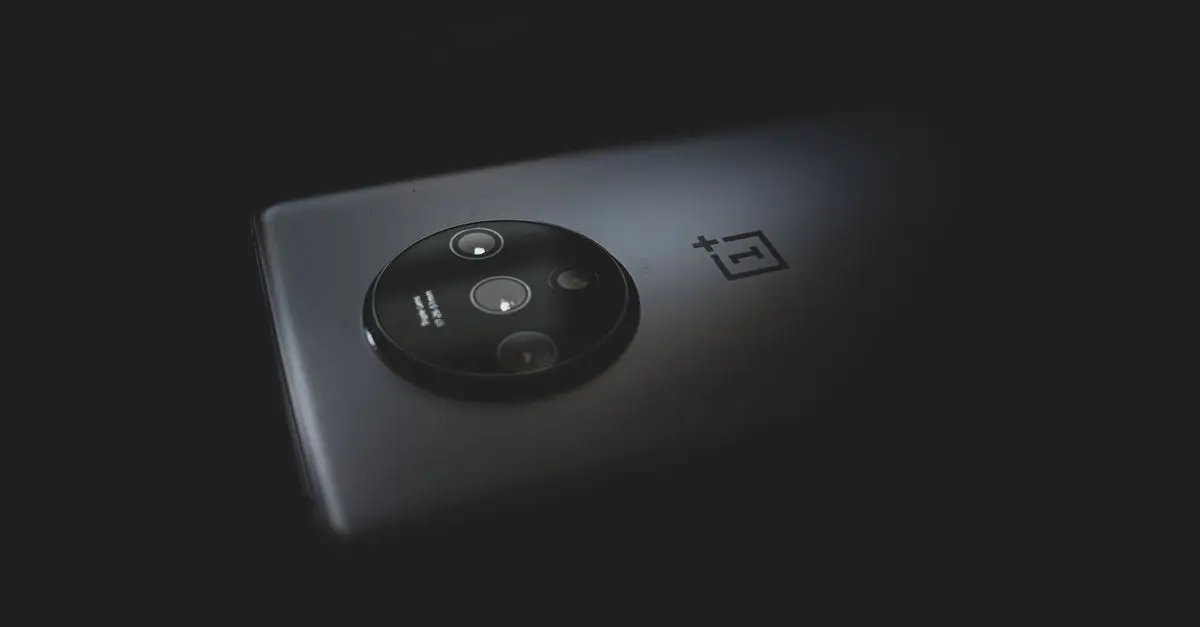
In contrast, Android powers a plethora of devices from various manufacturers, including Samsung, Google, OnePlus, and more. This diversity allows consumers to choose smartphones that fit various budgets and specifications. However, this adaptability comes with a downside; fragmentation in the Android ecosystem can lead to inconsistent software updates and hardware performance levels, depending on the manufacturer.
This stark difference leads to a critical consideration for potential users: if you desire high-quality, consistent hardware, iOS may be your best bet. However, if you're looking for more options and flexibility regarding price and features, Android stands out as the winner.
Security and Privacy Features
Security and privacy are increasingly important factors in the smartphone market. Apple places strong emphasis on user privacy, integrating a suite of security features like end-to-end encryption for iMessage and FaceTime, and a transparent tracking feature in Safari that allows users to prevent tracking by advertisers. This commitment to privacy has earned Apple considerable trust among its users.
In contrast, Google has made significant strides in recent years to enhance security features on Android devices, such as regular security updates and robust built-in application permissions. However, Google's business model primarily relies on data collection, leading some users to question their privacy and data rights.
Ultimately, if privacy and security are your foremost concerns, iOS has an edge. Yet, Android’s improved security measures are still credible, as long as users remain cautious with their settings and app installations.
Comparison Table
| Feature | iOS | Android | Verdict |
|---|---|---|---|
| User Experience | Intuitive and consistent | Customisable but variable | Depends on preferences |
| App Quality & Availability | Premium, often first | Wide availability, varied | iOS generally better |
| Hardware Compatibility | Limited, high quality | Broad spectrum, varying quality | Android for versatility |
| Security & Privacy | Strong focus on privacy | Improved, but concerns remain | iOS more trusted |
💡 Expert Opinion: According to various user feedback, those heavily invested in Apple’s ecosystem—like Mac or iPad users—usually find iOS integration immensely beneficial. Meanwhile, Android users often value the ability to tweak their devices to a greater extent.
📺 Resource Video
> 📺 For further exploration: A detailed analysis of the iOS vs Android debate, search on YouTube: iOS vs Android 2026 comparison.
Frequently Asked Questions (FAQ)
Q: Which is more secure, iOS or Android?
A: iOS generally has a stronger track record on privacy and security features, but Android is closing the gap with recent updates.
Q: What are the main differences in app availability?
A: iOS tends to get premium apps and updates first, whereas Android offers a broader range of free apps and third-party options.
Q: Is it easy to switch from iOS to Android or vice versa?
A: Switching between the two can be tricky due to different ecosystems, but both offer tools to help with the transition.
Q: Which operating system is better for gaming?
A: Generally, both systems cater well to gamers, but the choice might depend on device preferences and specific gaming titles.
Glossary
| Term | Definition |
|---|---|
| iOS | The operating system created by Apple exclusively for its devices, known for its user-friendly interface and security features. |
| Android | An open-source mobile operating system developed by Google, known for its customisability and diverse hardware options. |
| UX (User Experience) | The overall experience and satisfaction a user has while interacting with a device or application. |
Checklist before choosing your smartphone
- [ ] Consider your app needs
- [ ] Evaluate your budget
- [ ] Look into hardware options and preferences
- [ ] Assess security and privacy features
- [ ] Think about customisation options
In summary, the choice between iOS and Android will largely depend on your specific needs and preferences. For those who prioritise simplicity and security, iOS is a compelling option. However, if customisation and variety are paramount, Android opens numerous doors. Make your choice wisely and enjoy your smartphone journey!