Contents (15 sections)
What is AI in Smartphones?
Artificial intelligence (AI) in smartphones refers to the integration of complex algorithms that allow devices to learn user behaviours, optimise their performance, and provide personalised experiences. As the landscape of technology evolves, AI in smartphones has transitioned from mere novelty to a pivotal element of everyday use. The significance of AI cannot be overstated; according to a report by Statista (2025), over 75% of smartphones are expected to incorporate AI capabilities by the end of 2026, enhancing functionalities from basic user interactions to complex photography settings. AI handles tasks like predictive text, automated responses, and even performance management, dynamically adjusting usage based on observed patterns. As smartphone users continue to demand more personalisation and efficiency, AI technology becomes essential, defining how we interact with our devices.
Enhancing User Experience
The integration of AI in smartphones significantly enhances the user experience by providing intuitive interfaces and personalisation features. One of the most profound impacts has been in the user interface (UI) design. For instance, brands like Apple and Samsung are embedding AI-driven algorithms that adapt to individual usage habits, making navigation more seamless. Notably, Google Assistant and Siri have improved their contextual understanding, allowing for more natural conversations. This evolution is pivotal as it directly correlates with user satisfaction and retention; Gartner reports show that better AI implementations lead to a 30% increase in user engagement. Furthermore, predictive analytics allow users to access frequently used apps based on past behaviour, decreasing time spent searching for applications. As we move through 2026, we expect continued advancements in AI that will integrate more deeply with both hardware and software, further blurring the lines between human and machine interaction.
AI and Photography
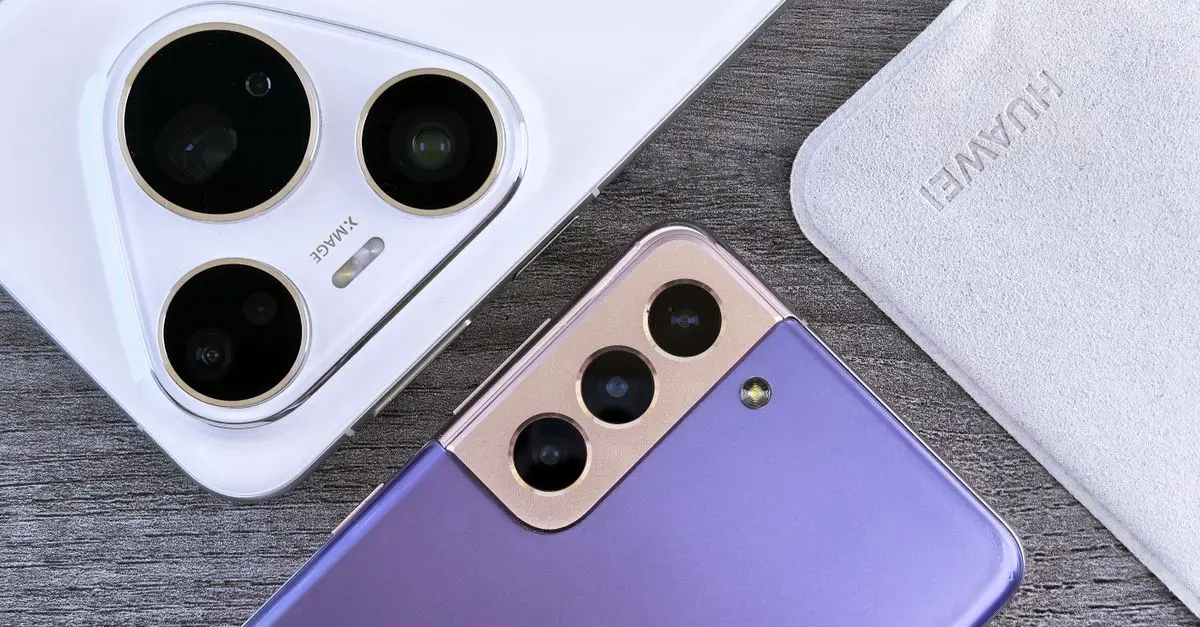
Photography on smartphones has reached new heights, largely due to AI advancements. Modern smartphones employ AI technologies that enhance image processing, recognition, and editing capabilities. For example, AI algorithms can analyse a scene and automatically adjust settings such as exposure, contrast, and even suggest composition improvements—creating photos that rival traditional cameras. According to Nielsen, users spend 4 times more time on photography-related tasks on smartphones than they did in 2020, highlighting the importance of these features. In 2026, we see trends toward improved low-light performance and real-time image editing, making it easier for users to capture stunning photos without the need for extensive editing skills. This change is crucial as it empowers everyday users to create compelling visual content, influencing everything from social media to personal branding.
Smart Assistants and AI Integration
The role of smart assistants in smartphones continues to evolve, showcasing how AI integration enhances functionality beyond basic command usage. Smart assistants now leverage machine learning from user interactions to provide tailored responses and proactive suggestions. For instance, if a user frequently checks the weather in the morning, the assistant might automatically present that information without being prompted. Recent statistics indicate that about 60% of smartphone users regularly interact with AI assistants, a number on the rise. This integration is expanding to include more complex tasks such as scheduling meetings or managing device settings through voice commands, streamlining daily operations for users. As these technologies mature, we can anticipate that future updates will include even more sophisticated integrations across various platforms, creating a cohesive digital ecosystem.
Security Enhancements
AI's impact on smartphone security cannot be overlooked, particularly as cyber threats continue to evolve. Modern smartphones utilise AI algorithms for facial recognition and behaviour analysis to enhance security measures significantly. For instance, AI systems can detect anomalies in user behaviour, triggering alerts for potential security breaches. According to Cybersecurity Ventures, mobile malware attacks are projected to increase by 50% by 2026, making robust security features imperative. AI-driven biometric security, such as fingerprint recognition and advanced face scanning, offers layers of protection that are difficult to bypass. As the demand for more secure users' environments grows, we can expect ongoing enhancements to AI systems in smartphones to combat these threats.
Comparative Analysis of AI Features
Here’s a comparative analysis of the key AI features in smartphones available in 2026:
| Feature | High-end Smartphones (A) | Mid-range Smartphones (B) | Budget Smartphones (C) |
|---|---|---|---|
| AI Camera Improvement | Excellent | Good | Basic |
| Smart Assistants | Comprehensive | Limited | Basic Commands |
| Security Features | High-level AI | Moderate AI | Basic Protection |
| User Personalisation | Tailored Experience | Moderate Personalisation | Generic Functions |
| Voice Recognition | Highly Accurate | Decent Accuracy | Limited Accuracy |
Conclusion
AI's transformative impact on smartphones is undeniable and will only grow in significance through 2026 and beyond. Staying informed about these advancements helps consumers make educated choices regarding their devices. The versatility of AI across various applications—from user experience to camera technology—not only enriches daily interactions but also instils a sense of security in an increasingly digital world.
📺 For further exploration of this topic: The Future of AI in Smartphones, an in-depth analysis of evolving smartphone technologies. Check YouTube for: "AI in smartphones 2026 trends".
What is AI in smartphones?
AI in smartphones refers to the combination of software and algorithms that enable devices to learn from user interactions and improve performance.
How is AI enhancing smartphone photography?
AI enhances photography by optimizing camera settings, improving image quality, and enabling features like portrait mode and low-light enhancements.
What security features are integrated with AI in smartphones?
AI enhances smartphone security through advanced facial recognition, anomaly detection, and real-time behaviour analysis.
How do smart assistants use AI?
Smart assistants use AI to understand user commands better, predict needs, and learn from interactions for more personalized assistance.
Glossary
| Term | Definition |
|---|---|
| Machine Learning | A subset of AI that enables machines to learn from data and improve over time. |
| Biometric Security | Security systems that use unique biological traits (like fingerprints) for authentication. |
| Predictive Analytics | Techniques that analyze data to make predictions about future events. |
Checklist before Purchase
- [ ] Assess the AI features of the smartphone.
- [ ] Consult reviews for camera performance enhancements.
- [ ] Verify the security measures integrated into the device.
- [ ] Explore user interface intuitiveness.
- [ ] Compare smart assistant capabilities among different models.