Contents (12 sections)
Introduction
When it comes to choosing a smartphone, understanding your needs and the market landscape is crucial. With the rapid advancements in technology, smartphones are now more than just communication devices; they serve as cameras, computers, and daily companions. This guide will delve into the key factors to consider, helping you make an informed decision.
1. Understanding Your Needs
Before diving into technical specifications and brand comparisons, it's vital to assess your personal needs and usage scenarios. Consider these questions: What do you primarily use a smartphone for? Is it for work, gaming, photography, or simply staying connected with loved ones? According to a survey by UFC-Que Choisir, approximately 68% of users value camera quality, while 52% prioritise battery life when choosing a smartphone. Therefore, understanding your priorities will streamline your selection process, ensuring you focus on features that truly matter to you.
2. Operating System Considerations
One of the first decisions to make when choosing a smartphone is selecting an operating system, primarily between iOS and Android. Each system has its strengths: iOS is known for its smooth user interface and superior app ecosystem, making it an attractive choice for those who value stability and security. In contrast, Android offers greater customisation and a wider range of hardware options, appealing to budget-conscious users. Also, keep in mind compatibility with other devices you own. If you have a laptop running macOS, an iPhone would integrate seamlessly.
3. Key Specifications to Examine
When evaluating smartphones, key specifications such as processor speed, RAM, storage capacity, and battery life should be front of mind. For instance, a smartphone with at least 6 GB of RAM is advisable for multitasking and gaming. In terms of storage, consider if you prefer a model with expandable capabilities via microSD cards or if you can work with fixed storage. Battery life is also crucial; ideally, look for a device that can last at least a full day on a single charge, especially with heavy usage.
4. Camera Quality
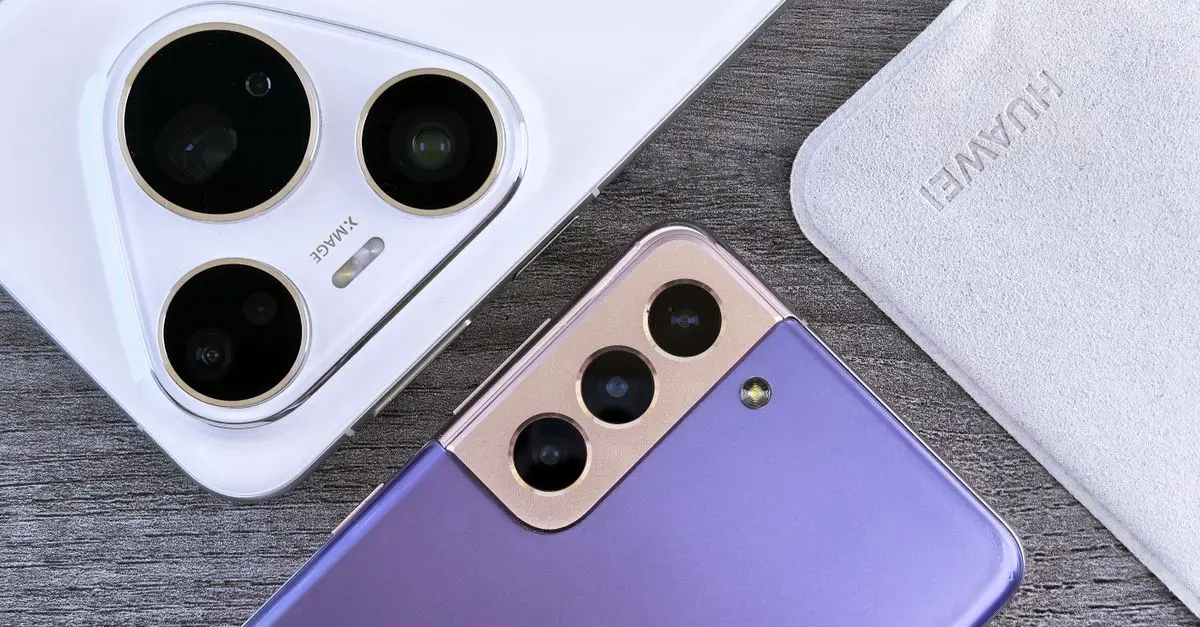
For many smartphone users, the camera is one of the most vital features. As mentioned earlier, approximately 68% of users highlight camera quality as a primary concern. When choosing a smartphone, look at the megapixel count, but also consider lens quality, aperture size, and additional features such as optical image stabilisation and night mode functionalities. Reviews and comparisons from Les Numériques can provide valuable insights into real experience and camera performance under various conditions.
5. Comparing Models
Understanding the different models available in the market can guide your decision. The following table compares essential features across three flagship smartphones that are frequently highlighted in reviews:
| Feature | Smartphone A (iOS) | Smartphone B (Android) | Smartphone C (Android) |
|---|---|---|---|
| Camera Quality | 12 MP, OIS | 64 MP, Excellent Low Light | 48 MP, Good Overall |
| Battery Life | 20 hours | 24 hours | 30 hours |
| Price | £999 | £899 | £699 |
| Software Updates | 5 years | 3 years | 2 years |
6. Check Reviews and User Feedback
Before finalising your choice, it's essential to explore user reviews and professional feedback. Websites like 60 Millions de Consommateurs often provide in-depth analyses based on user experiences. Look for recurring pros and cons to gain a balanced perspective. User satisfaction ratings can be a telling indicator of performance long-term. Remember, a smartphone’s greatness often reveals itself after a few months of use, so insights from long-term users can prove invaluable.
7. Price and Value for Money
Finally, ensure that you assess not only the purchase price but also the overall value for money. A more expensive model might offer enhanced features but consider if you genuinely need them. Sometimes last year's model provides nearly similar performance at a significantly reduced cost. As a rule of thumb, compare similar specs and features before making a financial commitment.
📺 Resource Video
> 📺 For more insights: Understanding Smartphone Features and Specifications, an exploration of how to choose the right device based on personal needs. Search on YouTube: "how to choose a smartphone 2026".
Checklist Before Buying
- [ ] Identify my primary needs (photos, gaming, etc.).
- [ ] Compare operating systems (iOS vs. Android).
- [ ] Examine key specifications (RAM, battery, storage).
- [ ] Research and compare model reviews online.
- [ ] Set a budget and assess price against features.
Glossary
| Term | Definition |
|---|---|
| Battery Life | The duration a smartphone can operate before requiring a recharge. |
| RAM | Random Access Memory, crucial for multitasking capabilities. |
| Megapixel | A unit of image resolution that affects camera quality. |
> 🧠 Quiz rapide : Which feature do you consider most vital when choosing a smartphone?
> - A) Camera quality
> - B) Battery life
> - C) Price
> Réponse : A — Many users prefer an excellent camera for social media sharing.
Remember, the choice of a smartphone is not just about the specs but how well the device fits your lifestyle and needs. Take your time evaluating your options. Happy smartphone hunting!
📺 Pour aller plus loin : how to choose a smartphone 2026 sur YouTube