Contents (8 sections)
Smartphone specifications are a set of technical details that determine a device's functionality, performance, and overall user experience. Understanding these specifications is crucial when purchasing a device, as they directly affect how well the smartphone will perform in real-world use. From processing power to camera quality, specifications will dictate whether the device meets your needs, especially if you're a power user or an avid photographer.
In 2026, with constant advancements in technology, knowing what these specifications mean can help you make an informed choice. Issues like battery life, screen resolution, and software compatibility are changing continuously, creating a landscape where users must stay updated to select the right device. This guide aims to decode the complex world of smartphone specifications, enabling buyers to assess products effectively.
Key Smartphone Specifications Explained
Processor and Performance
The processor is often considered the heart of a smartphone. It determines the speed and efficiency of the device. Current smartphones typically use processors influenced by brands such as Qualcomm and Apple. For example, the Qualcomm Snapdragon 8 series has been prominent for high-performing Android devices, providing users with increased computational power, superior gaming experiences, and fast multitasking capabilities.
Moreover, it's essential to consider the number of cores and clock speed when looking at the performance of these processors. For instance, devices equipped with octa-core processors generally handle tasks more efficiently than those with quad-core processors. Look for devices with around 4GB to 12GB of RAM; more RAM often equals better multitasking and smoother performance.
Screen Quality and Size
The screen size and quality play substantial roles in user experience as well. Most users today expect vibrant colours and high-resolution displays. The industry has standardised around Full HD (1920 x 1080 pixels) as a minimum, with many users opting for Quad HD (2560 x 1440 pixels) or even 4K (3840 x 2160 pixels). OLED technology, prevalent in many flagship devices, provides better contrast and colour richness compared to traditional LCDs. A screen size between 6 to 7 inches is becoming standard, keeping in mind usability and mobility.
Additionally, some devices now include high refresh rate displays (90Hz or higher) that provide smoother and more responsive interactions, essential for gaming or swiftly scrolling through social media.
Battery Life and Charging Speed
Battery specifications often dictate how long a smartphone can go without requiring a charge. In 2026, a standard capacity for most smartphones is around 4000 mAh, suitable for a full day of usage. However, it’s not just about capacity; technologies like fast charging (typically like 25W to 120W) significantly improve recharging times.
Recent devices not only include larger batteries but also improved software optimisations, making them last longer on a single charge. Additionally, users are looking into the sustainability of battery technologies, as lithium-ion batteries have raised environmental concerns.
💡 Expert Opinion: According to recent user feedback from sites like Les Numériques, customers are now prioritising devices that offer optimal battery life along with fast charging capabilities over simply larger batteries. Customers favour technologies that minimize the time spent plugged into chargers while maximising usage time.
Camera Specifications: Megapixels and Features
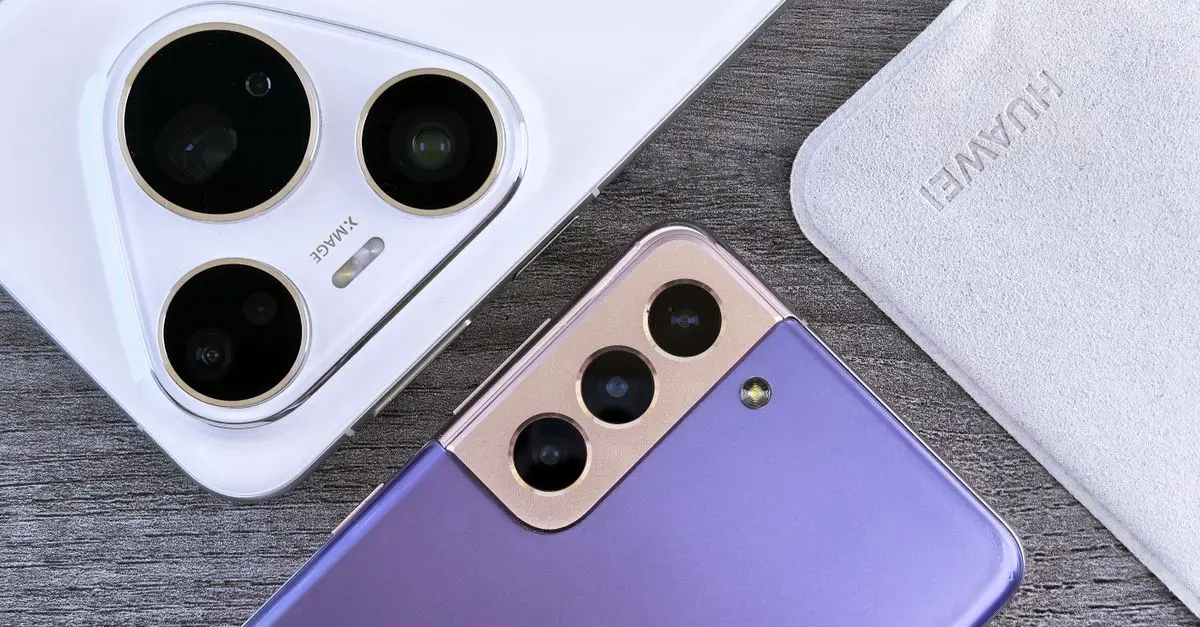
The camera has become one of the most talked-about specifications in smartphones today, evolving rapidly over the years. While higher megapixel counts were the trend a few years ago, features such as aperture size, image stabilisation, and software enhancements now take precedence. A camera with a larger aperture (e.g., f/1.8) lets in more light, which is crucial for low-light photography.
Current high-end smartphones often feature multiple lenses, such as wide-angle and telephoto, allowing users to capture a broader range of scenes. The ability to shoot in RAW formats and advanced computational photography features have elevated smartphone cameras' capability, sometimes surpassing that of compact cameras. According to a report by UFC-Que Choisir, the camera performance for Instagram and TikTok users is a significant deciding factor in smartphone purchases.
Comparison of Popular Smartphones
| Feature | Device A | Device B | Device C | Verdict |
|---|---|---|---|---|
| Processor | Snapdragon 8 Gen 1 | A16 Bionic | Exynos 2200 | Device A = Excellent |
| Screen Resolution | 2400 x 1080 pixels | 2778 x 1284 | 2400 x 1080 | Device B boasts clarity |
| Camera Resolution | 64 MP | 48 MP | 108 MP | Device C for detail |
| Battery Capacity | 4500 mAh | 3500 mAh | 5000 mAh | Device C last longer |
Conclusion
Navigating smartphone specifications may seem daunting, but understanding them is crucial for making an informed purchase in 2026. By focusing on important aspects like processor performance, screen quality, audio capabilities, battery life and camera technology, you can select a smartphone tailored to your personal and professional needs.
📺 For further exploration: Watch our detailed analysis of smartphone specifications, a comprehensive breakdown of features impacting your purchase. Search on YouTube: smartphone specifications 2026 review.
Checklist before Purchase
- [ ] Determine your primary smartphone use (gaming, photography, etc.)
- [ ] Research processor performance (octa-core is preferred)
- [ ] Verify battery capacity and fast charging options
- [ ] Ensure the screen resolution meets your standards
- [ ] Compare camera specifications and features
Glossary
| Term | Definition |
|---|---|
| Processor | The central unit that performs calculations and tasks in your smartphone. |
| RAM | Random Access Memory; the memory used to run applications smoothly. |
| Megapixels | A unit of resolution in cameras; higher megapixels typically allow for greater detail in photographs. |
> 🧠 Quick Quiz: What is the most vital specification when choosing a smartphone?
> - A) Battery life
> - B) Camera quality
> - C) Processor speed
> Answer: B — Many users prioritise photo capability for social sharing.
📺 Pour aller plus loin : smartphone specifications 2026 review sur YouTube