Contents (11 sections)
As mobile technology continues to evolve, mobile phone innovation trends play a critical role in shaping personal and business communications. This article explores key trends in 2026 that not only reflect consumers' needs but also anticipate future technology directions.
1. Foldable and Rollable Displays
Foldable and rollable displays are redefining how we interact with our devices. In 2026, the continued refinement of these technologies promises to deliver devices that are more versatile than ever. According to market analysts, the foldable smartphone market alone is expected to reach $40 billion by 2026, reflecting a 25% increase from previous years. The appeal lies in their ability to offer larger screens without increasing device size, granting users more screen real estate for multitasking and entertainment.
The practicality of foldable devices has been enhanced by advancements in hinge technology, ensuring durability while maintaining sleek designs. Brands that embraced this innovation early on have seen increased user engagement and satisfaction. For instance, foldable devices now offer improved battery efficiency to sustain their high-performance displays.
💡 Expert Insight: A leading industry analyst noted, "The foldable display is not just a gimmick. It's transforming user interaction with smartphones, appealing to multi-device users who desire flexibility in a single device."
2. Enhanced 5G Integration
The rollout of 5G technology continues to be a game-changer in mobile phone innovation. By 2026, 5G networks are projected to cover more than 80% of the global population, underpinning the growth of smart devices and the Internet of Things (IoT). This enhanced connectivity enables mobile data speeds reaching 10 Gbps, facilitating seamless streaming, gaming, and productivity apps.
Consumers demand faster and more reliable connections, making 5G integration critical for manufacturers. Recent studies indicate that 70% of smartphone users actively look for 5G compatibility when purchasing a new device. As applications that utilise high-speed data continue to emerge, from augmented reality (AR) to real-time cloud interactions, manufacturers are racing to provide solutions that elevate user experience.
3. Artificial Intelligence and Machine Learning
AI and machine learning technologies are becoming increasingly embedded in mobile devices, significantly enhancing user experience. By 2026, nearly all smartphones will leverage AI for personalisation, from optimising battery life to adapting camera settings based on environmental conditions. For instance, AI-powered cameras are improving low-light photography and scene detection, making it easier for users to capture stunning images without specialised knowledge.
Furthermore, voice assistant capabilities are becoming smarter, understanding context and user preferences, offering a more fluid interaction. According to reports, over 50% of interactions with smartphones will involve voice commands, marking a shift towards a more intuitive interface.
4. Sustainability in Mobile Technologies
As awareness of environmental issues grows, mobile manufacturers are increasingly prioritising sustainability. By 2026, expect to see smartphones designed with recyclable materials, longer device lifespans, and more power-efficient components. According to a 2025 sustainability report, 75% of consumers are willing to pay more for eco-friendly devices, which is prompting brands to innovate constantly.
This trend is not only beneficial for the planet but also resonates with younger consumers who value corporate responsibility. Brands infusing sustainability into their production processes are likely to enhance their brand loyalty among eco-conscious users.
5. Augmented Reality (AR) and Virtual Reality (VR) Capabilities
AR and VR integration in mobile devices is on the rise, providing users with immersive experiences across various applications, from gaming to virtual meetings. By 2026, it is estimated that 50% of mobile users will engage with AR content regularly. Improved camera technology and faster processing power facilitate this trend, allowing users to interact with their environments in unique ways.
Companies are developing applications that blend AR with daily tasks, such as navigation or home improvement projects, facilitating user engagement and enjoyment. The gaming industry is already witnessing explosive growth due to AR games, driven largely by the capabilities of next-gen phones.
6. Biometric Advancements
Biometric technology continues to evolve, providing enhanced security measures for mobile devices. By 2026, expect to see advanced biometric systems such as vein recognition, heartbeat wave patterns, and even facial recognition technology that functions in low-light conditions. These innovations enhance user security and streamline processes such as mobile payments and unlocking devices.
Diverse biometric options ensure user convenience as well as security, responding to growing concerns over identity theft and data breaches. Approximately 90% of users feel more secure using biometric features, according to industry surveys.
7. Improved Battery Technologies
Battery technology is making significant strides in 2026, with faster charging capabilities becoming the norm. New material compositions enable batteries to charge up to 50% faster than previous generations. Innovations such as solid-state batteries are emerging, promising enhanced performance, safety, and longevity compared to traditional lithium-ion batteries.
Battery longevity continues to influence consumer purchasing decisions; studies indicate that 78% of users are increasingly prioritising battery life in their selection criteria.
🧠 Quiz rapide : Qu'est-ce qui est le plus important lors de l'achat d'un nouveau smartphone ?
- A) La taille de l'écran
- B) La durée de vie de la batterie
- C) Les fonctionnalités de l'appareil photo
Réponse : B — Les utilisateurs privilégient souvent la durée de vie de la batterie pour une utilisation optimale.
Glossaire
| Terme | Définition |
|---|
| 5G | Cinquième génération de technologie mobile, offrant une connexion plus rapide et plus fiable.
| AI (Intelligence Artificielle) | Systèmes informatiques capables d'effectuer des tâches normalement nécessitant de l'intelligence humaine.
| AR (Réalité Augmentée) | Technologie qui superpose des éléments virtuels à la vue du monde réel.
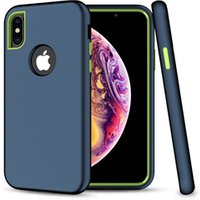
Trend 2019 Amazon best seller cell phone accessories cases for iPhone xs max xr mobile phones for Samsung galaxy S10 case plus
Alibaba UK
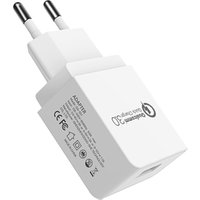
2019 trend Qualcomm quick charge 3.0 travel USB Wall Charger Quick Charge 4.0 Universal Mobile Phone Charger
Alibaba UK

Checklist avant achat
- [ ] Vérifier la compatibilité avec la technologie 5G
- [ ] Examiner les matériaux durables de l'appareil
- [ ] S'assurer de l'intégration de l'intelligence artificielle
- [ ] Comparer les caractéristiques de l'appareil photo
- [ ] Considérer la durée de vie de la batterie
- [ ] Tester les fonctionnalités de sécurité biométrique
📺 Pour aller plus loin : Découvrez des analyses approfondies sur les dernières innovations en smartphones sur YouTube : "mobile phone innovation trends 2026".
📺 Pour aller plus loin : mobile phone innovation trends 2026 sur YouTube
Recommended products
Selected by our experts
Trend 2019 Amazon best seller cell phone accessories cases for iPhone xs max xr mobile phones for Samsung galaxy S10 case plus
Alibaba UK
We have selected several mobile phone accessories that support the latest devices and enhance functionality.
2019 trend Qualcomm quick charge 3.0 travel USB Wall Charger Quick Charge 4.0 Universal Mobile Phone Charger
Alibaba UK
Our selection includes fast-charging USB wall chargers, perfect for keeping up with the demands of new smartphones.
Warehouse Management Diploma Training Course
Learning 24/7
We recommend smart watches that can seamlessly integrate with mobile technologies, enhancing overall user experience.